Electroplating shop
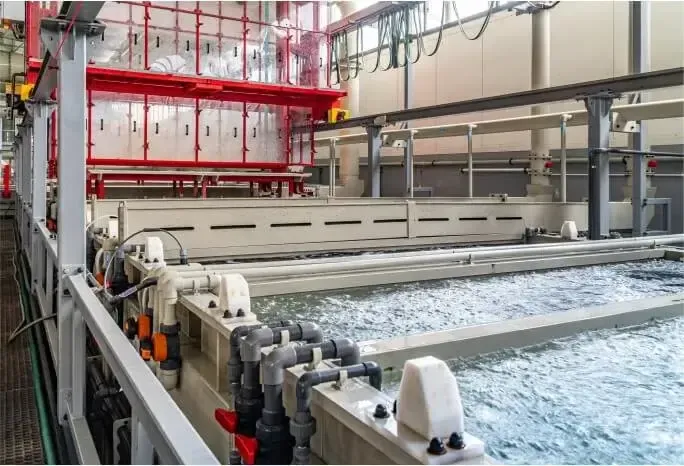
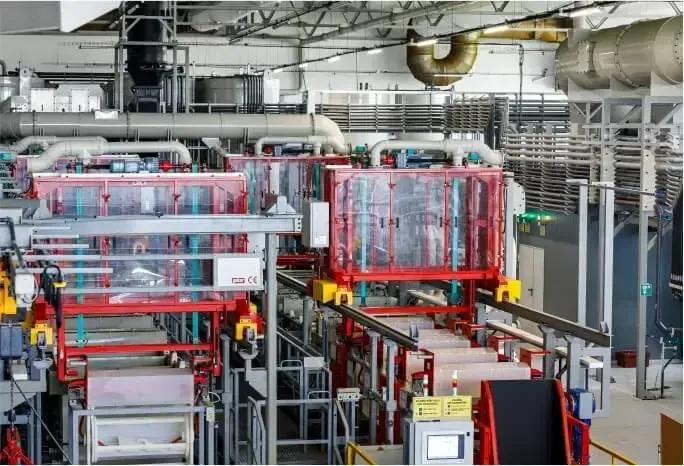
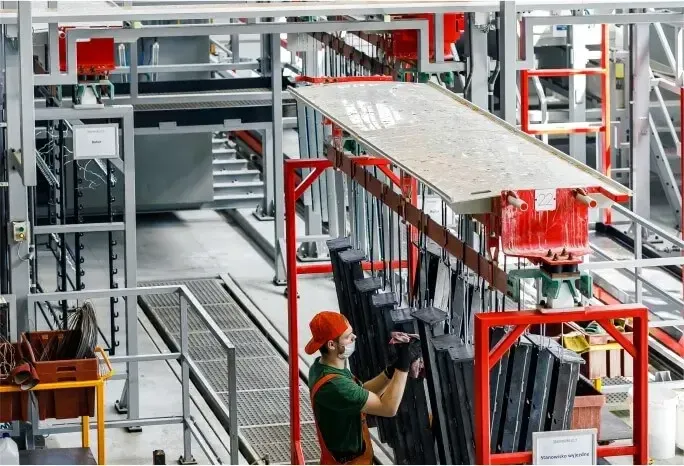
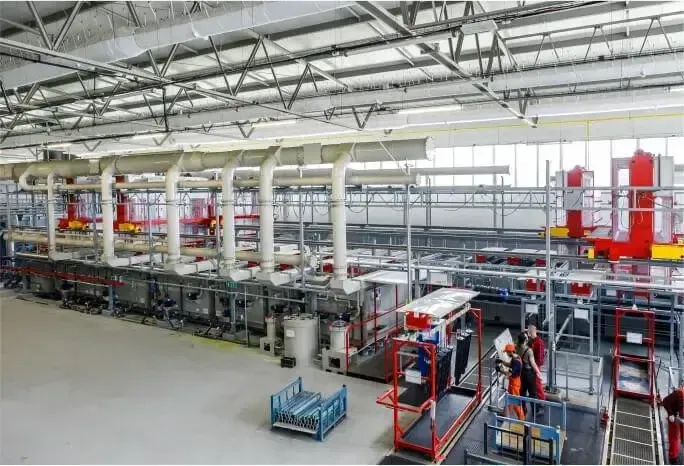
A hanging line for larger elements and a drum line for small details
How does our electroplating plant in Silesia work?
The electrogalvanizing plant was launched in mid-2020 and provides services in applying decorative and anti-corrosion zinc coatings to steel structures by the electrolytic method. The electrogalvanizing installation is one of the most modern facilities of this type in Poland.
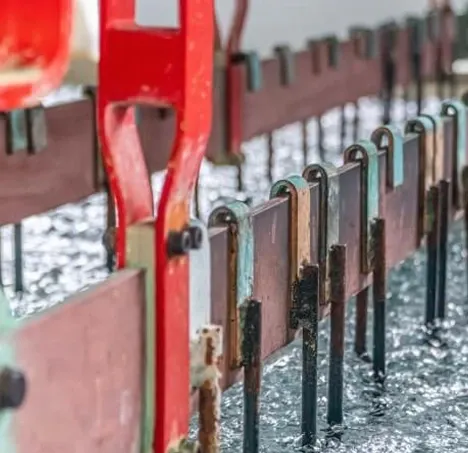
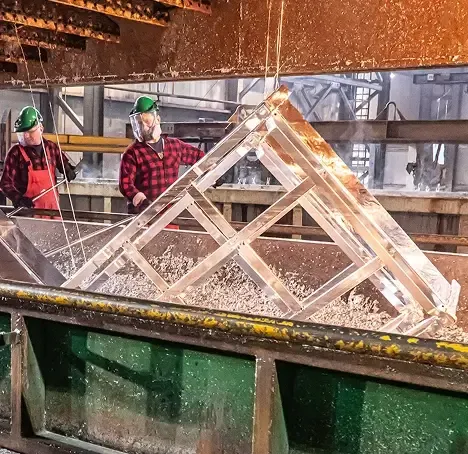
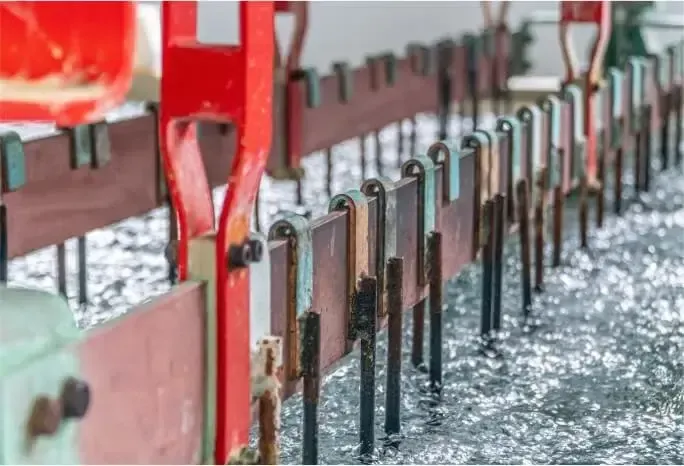
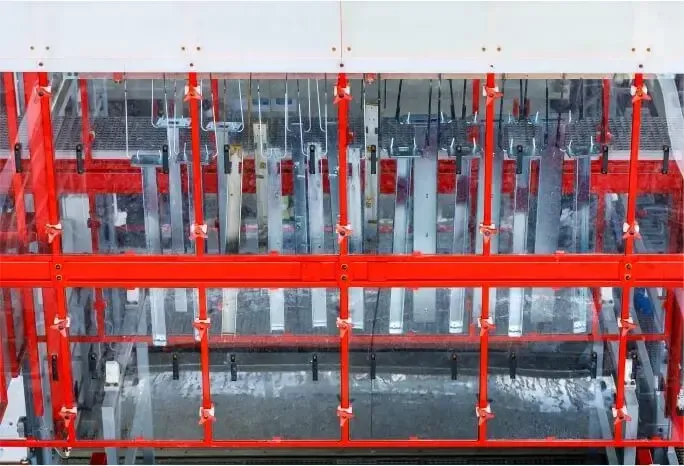
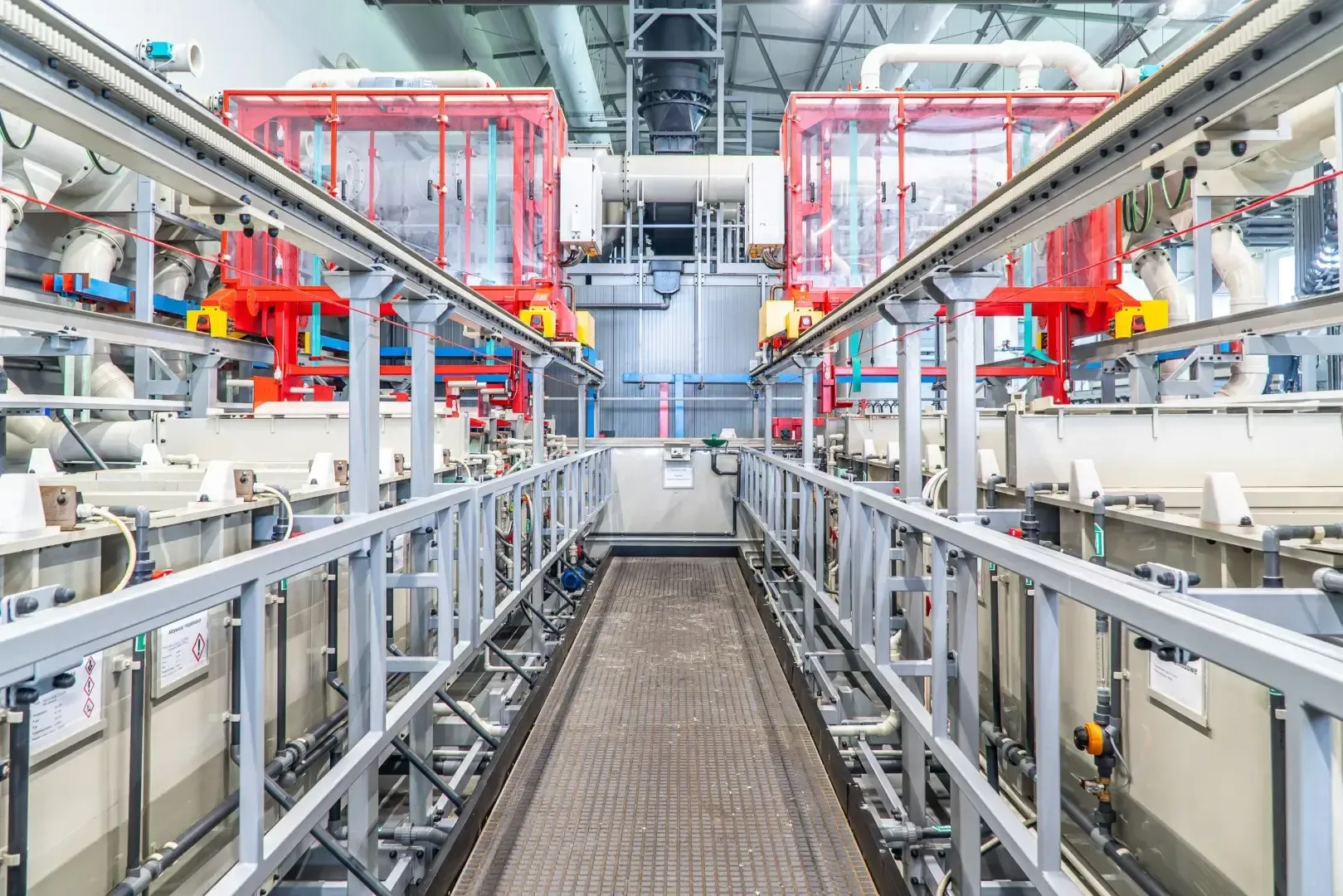
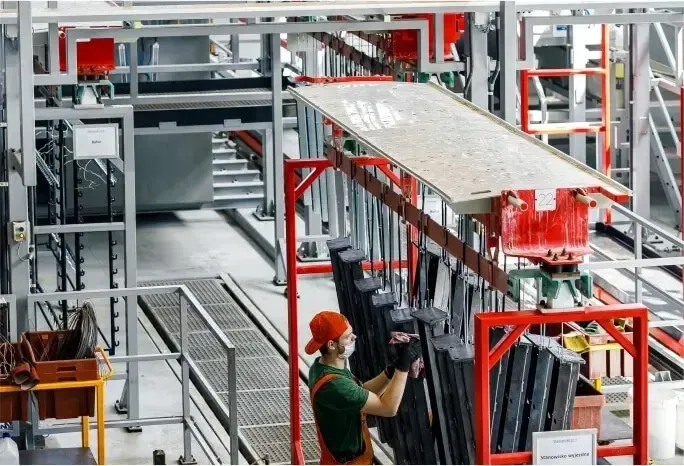
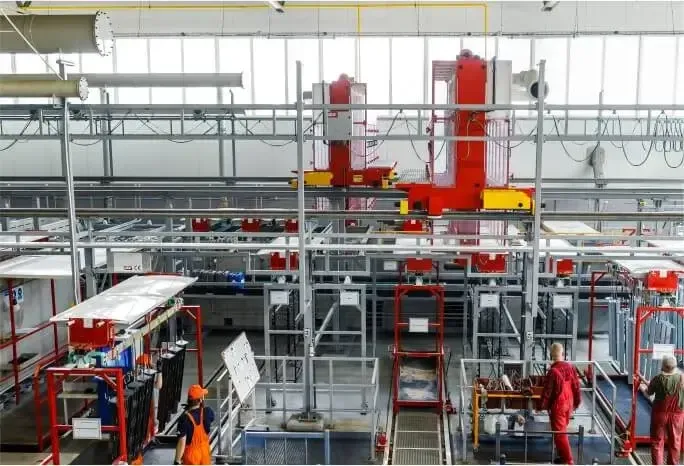
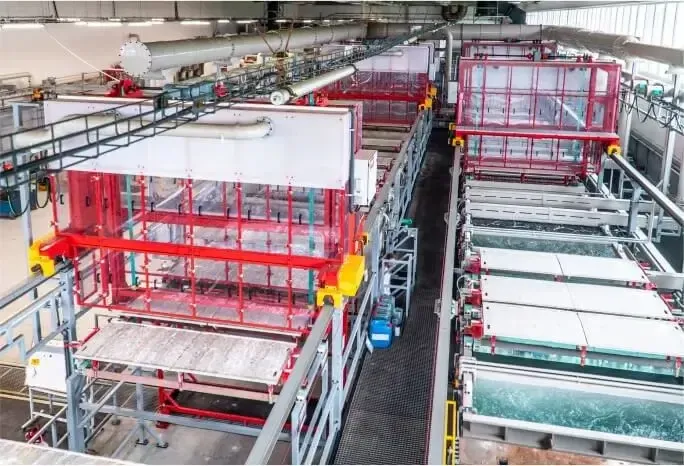
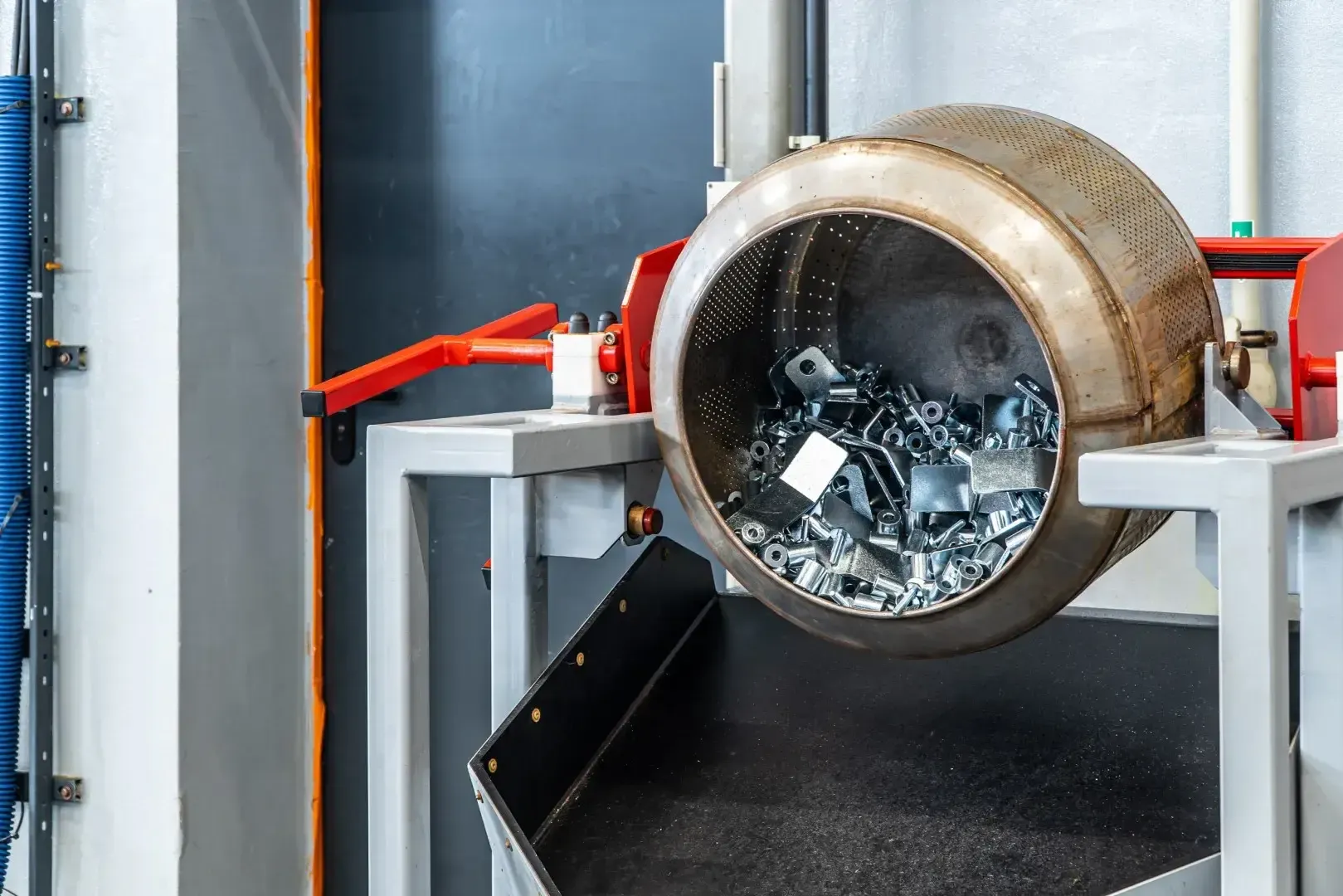
Our electroplating shop consists of two lines – a rack line for larger elements and a barrel line for small parts. The rack line allows galvanizing of structures with dimensions up to 2.8 metres long, 0.8 metres wide and 1.8 metres high. Both lines – rack and barrel – are fully automated. Autonomous conveyors move the parts between successive process tanks, and the bath parameters are continuously monitored by a computer system.
The proper composition of the process baths is overseen by chemists who have a professional analytical laboratory at their disposal.
Why choose the electrogalvanizing service?
The equipment and technologies used in the electroplating shop make it possible to obtain the highest quality zinc coatings and ensure high process efficiency, which translates into attractive prices and short lead times. One of the key principles of our operation is care for the natural environment. Thanks to the use of an advanced and high-performance purification system, the process solutions work in a closed circuit, and the electroplating installation does not produce industrial wastewater.
New deadlines
Galwanizernia Śląsk – why is it worth using?



Why is it worth using a galvanizing shop?
in Silesia?
Electrogalvanizing makes it possible to obtain an aesthetic and uniform coating, whose final thickness (3–25 micrometres) we can influence by adjusting process parameters such as current flow and time. The parts and steel structures delivered for galvanizing are, before the coating is applied, carefully degreased and cleaned of rust by acid pickling. The elements are then placed in tanks with an alkaline electrolyte, where a layer of zinc is applied in the electrolysis process. In the subsequent stages of the process, the zinc layer is subjected to white, yellow or titanium passivation – improving the adhesion of the paint coating. To increase durability, coatings on the rack line can additionally be sealed.
Gallery



Conditions for accepting the structure
If you plan to subject your structure to the electrogalvanizing process, be sure to check whether it meets the required conditions.
Zakład Wyrobów Metalowych STRUMET SP. z o. o.
| Guidelines | Description |
|---|---|
| 1. Chemical composition | Electrogalvanizing makes it possible to coat with an anti-corrosion zinc layer structures made of steel with a silicon (Si) content of less than 0.03% or within the range of 0.15% – 0.25%. |
| 2. Surface condition | The surface of the structure should be free from scale, thick layers of rust, welding spatter, welding slag, silicone anti-spatter agents, paint contamination, grease and oil. |
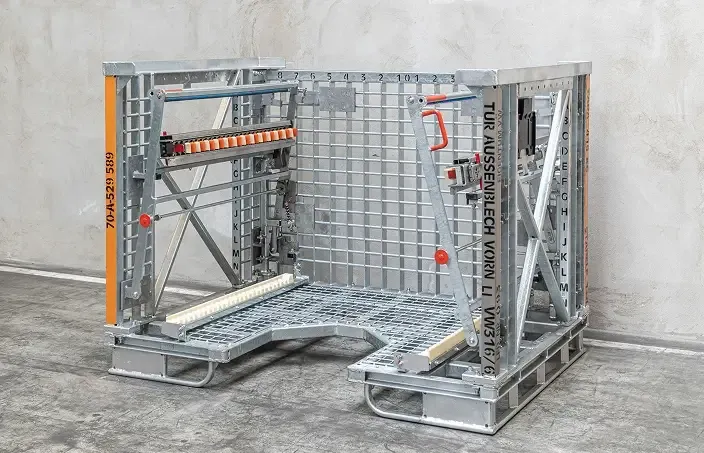
| 3. Construction features | Suspension line: The structures should be able to be suspended using suspension hooks under the beam. The shape of the structure should allow for the free flow of process fluids into all spaces and their free flow out. |
| 4. Dimensions of the structure | Suspension line: The structure's dimensions must be less than or equal to the dimensions shown – 2.8 x 0.8 x 1.8 m (length x width x depth). If two dimensions are close to the limit, prior consultation is required. Maximum load weight is 600 kg per beam, and maximum load size is 1200 dm² per beam. Drum line: Minimum load 20kg per drum |
| 5. Vent holes | Structures made of closed-section elements should have vent holes to allow the free inflow of process baths during immersion and their free outflow during the structure's emergence at various stages of the process. The table below lists the size and number of vent holes in structural elements. Ventilation holes can be made as triangular or semicircular cutouts in the profile walls. The drawings below illustrate the principles of placing vent holes. 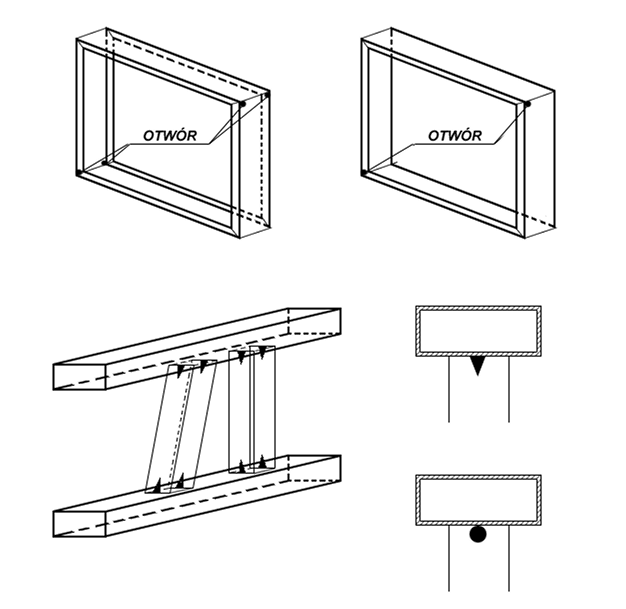 |
| Internal dimensions of the closed profile in mm smaller than: | ||
|---|---|---|
| Round | Square | Rectangular |
| 15 | 15 | 20 x 10 |
| 20 | 20 | 30 x 15 |
| 30 | 30 | 40 x 20 |
| 60 | 60 | 80 x 40 |
| 80 | 80 | 80 x 60 |
| 100 | 100 | 120 x 80 |
| 120 | 120 | 160 x 80 |
| 160 | 160 | 200 x 120 |
| 200 | 200 | 260 x 140 |
| Minimum diameter of holes in mm at opposite ends of the profile and their number: | ||
|---|---|---|
| 1 | 2 | 3 |
| 8 | - | - |
| 10 | - | - |
| 12 | 10 | - |
| 20 | 12 | 10 |
| 20 | 18 | 12 |
| 25 | 20 | 12 |
| 30 | 25 | 16 |
| 40 | 25 | 16 |
| 50 | 30 | 16 |
Contact form regarding the implementation of a galvanic zinc plating order
Contact us – we will prepare an offer tailored to your needs!
Contact form
Our solutions for industry
A comprehensive offer for market leaders